Best Archival Quality Fine Art Prints: 2026 Buyer's Guide
Editorial Team · October 14, 2026
Table of Contents
- What Makes Archival Fine Art Prints Worth Buying
- Quick Comparison: Top Archival Print Providers
- 1. Brian Farber Photography: Landscape and Disney Prints With a Story
- 2. WHCC Fine Art Prints: Surface Previews Before You Commit
- 3. Mpix Giclée Prints: Stated Longevity for Home Display
- 4. FinerWorks: Giclée Fine Art Prints on Paper and Canvas
- 5. Giclee Today: Transparent Pricing for Paper and Canvas
- 6. 1000Museums: Made-to-Order Reproductions and Framed Prints
- How to Care for Fine Art Prints and Make Them Last
- Frequently Asked Questions
Last Updated: October 14, 2026
What Makes Archival Fine Art Prints Worth Buying
The best archival quality fine art prints are reproductions made with pigment inks and acid-free, lignin-free papers or canvas, designed to resist fading and yellowing for decades instead of months. The best archival quality fine art prints combine three things: a pigment ink set, a cotton rag or equivalent archival substrate, and a printer who can hold color accuracy across the whole image. At Brian Farber Photography, we sell landscape and theme-park prints made to those standards, because a print that fades in three years is not wall art, it is a temporary poster.
Here is the tension most buyers miss. Two prints can look identical on a website and behave completely differently on your wall. One uses dye ink on a thin coated sheet. The other uses pigment ink on cotton rag. Both are "fine art prints" by marketing language. Only one survives a sunny room.
Museum Standards, Decoded
Museum quality is not a regulated term. No US agency certifies it, which means any seller can print it on a product page.
What the term usually signals is a set of material choices: pigment inks rather than dye, and paper that is acid-free and lignin-free so it will not yellow from the inside out. The Library of Congress guidance on caring for prints and drawings treats light exposure, temperature, humidity, and framing materials as the main variables in how long a print lasts.
When a provider says "museum quality," ask which ink type and which paper. If the answer is vague, the claim is marketing.
The 70/30 Rule in Art Buying
Roughly 70% of how a print looks on your wall comes from the file and the printer's color management, and 30% from the paper surface. Most buyers invert that ratio and agonize over paper swatches while ignoring resolution.
A practical implication: start with a properly prepared, high-resolution file, then choose the surface. A great file on a good matte paper beats a mediocre file on the most expensive cotton rag every time.
Quick Comparison: Top Archival Print Providers
| Provider | Best For | Standout Detail | Pricing Transparency |
|---|---|---|---|
| Brian Farber Photography | Landscape and Disney-themed prints with a story | Curated Japan, Alaska, Colorado, Michigan, and Disney imagery | See site for current pricing |
| WHCC Fine Art Prints | Comparing paper surfaces first | Online surface preview for sheen and skin tone | Not published on product page |
| Mpix Giclée Prints | Stated longevity numbers | Up to 100 years home display, 300 years dark storage | Not shown in listings |
| FinerWorks | Paper and canvas giclée | Archival giclée on fine art paper or canvas | Not shown in listings |
| Giclee Today | Price-first buyers | Published price list and a best-price guarantee | Dedicated pricing page |
| 1000Museums | Made-to-order reproductions | Framed options across thousands of artists | Per product |
1. Brian Farber Photography: Landscape and Disney Prints With a Story
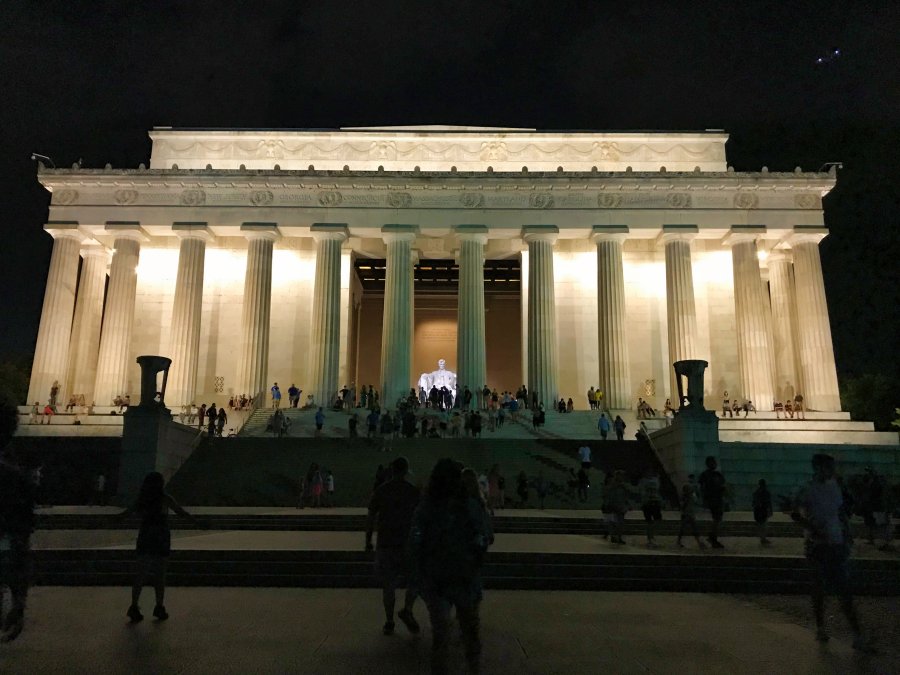
We sell prints and digital files of Japan, Alaska, Colorado, and Michigan landscapes, plus Disney theme-park and character imagery for collectors.
We supply the image itself, which matters if you want the Alaska shot from a trip you took, or a Disney frame that fits a collection.
On materials, the honest answer is that archival quality depends on the paper and ink you select at checkout. Ask us directly which substrate and ink set a given print uses before you order, and we will tell you.
Pros and Cons
Pros:
- Distinct subject range: Japan, Alaska, Colorado, Michigan, and Disney imagery
- Prints and digital files both available
- Direct access to the photographer for material questions
Cons:
- Smaller catalog than a mass print lab
- Pricing is quoted on the site rather than in a fixed public list, so you need to check current rates
2. WHCC Fine Art Prints: Surface Previews Before You Commit
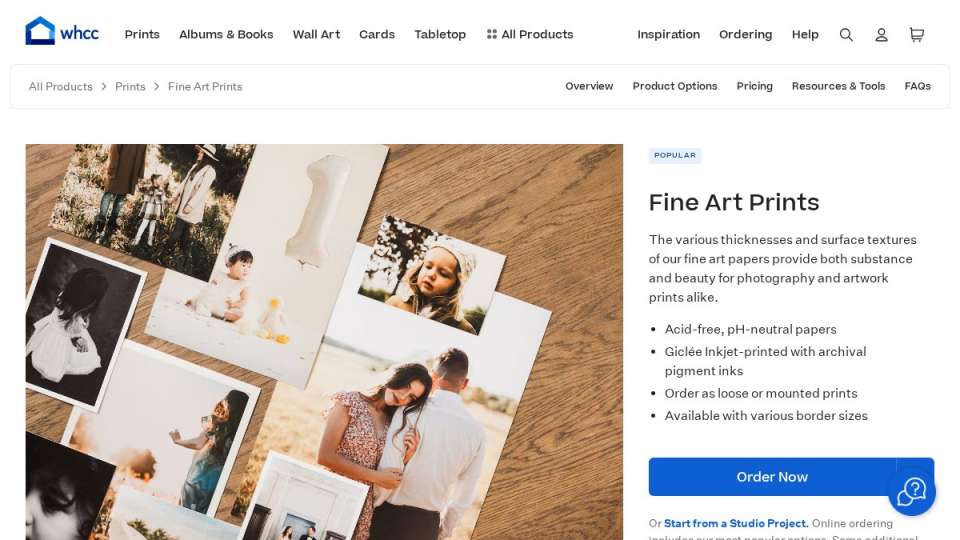
The gap is specification. The supplied product information does not list prices or detailed paper specs, so you will need to request those. If you already know you want a specific cotton rag, confirm it is available before you build the order.
Pros and Cons
Pros:
- Visual surface comparison tool
- Dedicated fine art print product line
Cons:
- Prices and paper specifications are not shown in the supplied listings
3. Mpix Giclée Prints: Stated Longevity for Home Display
Treat any longevity claim as conditional. It describes the materials under ideal conditions, not a guarantee for a print hung opposite a south-facing window.
Pros and Cons
Pros:
- Explicit archival quality claim
- Separate longevity figures for display and storage
Cons:
- Print sizes and prices are not shown in the supplied listings
4. FinerWorks: Giclée Fine Art Prints on Paper and Canvas
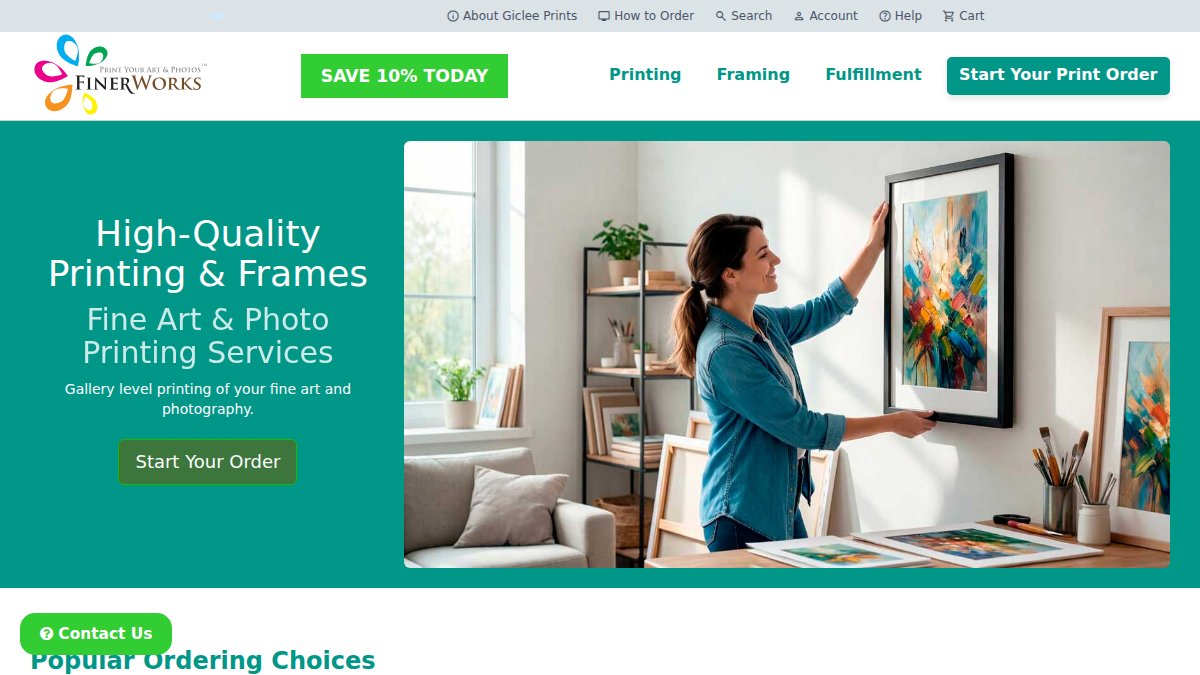
The supplied information does not include prices or specific ink and paper specifications. Ask before ordering if you need a particular brand of cotton rag.
Pros and Cons
Pros:
- Both fine art paper and canvas available
- Archival giclée positioning is explicit
Cons:
- No published prices or detailed material specs in the supplied results
5. Giclee Today: Transparent Pricing for Paper and Canvas
Read the full terms before relying on the guarantee. The supplied results do not include the specific prices or the complete guarantee conditions, so check the current page.
Pros and Cons
Pros:
- Public price list for paper and canvas
- Stated price-match guarantee
Cons:
- Specific prices and full guarantee terms are not in the supplied results
6. 1000Museums: Made-to-Order Reproductions and Framed Prints
The broad artist selection is the draw. The trade-off is that you are buying a reproduction, not a photographer's own print, and the two carry different value over time.

Pros and Cons
Pros:
- Large artist selection
- Made-to-order production and framed options
Cons:
- Archival materials and prices are not specified in the supplied results
How to Care for Fine Art Prints and Make Them Last
Care decides whether an archival print delivers its rated life. The materials set the ceiling. Your habits decide whether you reach it.
- Frame with acid-free matting and backing, never cardboard
- Use UV-filtering glass or acrylic in any room with daylight
- Hang away from direct sun and away from heat vents
- Keep humidity moderate and stable; avoid bathrooms and basements
- Handle by the edges only, with clean cotton gloves
- Store unframed prints flat, interleaved with acid-free tissue, in the dark
The single highest-impact step is UV-filtering glazing. It is the difference between a print that holds its color and one that shifts within a few years in a bright room.
Frequently Asked Questions
What makes a fine art print archival quality?
Three things decide it: the paper, the ink, and how the print is stored. Archival paper for art prints is acid-free and lignin-free, usually cotton rag or alpha-cellulose, so it will not yellow over time. Pigment inks resist fading better than dye inks. Together they support display life measured in decades, not years. Ask any provider which paper and ink they use before you buy.
How long do archival fine art prints last?
Longevity depends on display conditions. Those figures assume framing behind glass, protection from direct sun, and stable temperature and humidity. An unframed print taped above a radiator will not reach those numbers no matter how good the paper is.
Are giclée prints archival?
Giclée fine art prints can be archival when they use pigment inks on acid-free, lignin-free paper. The term describes the printing method, not a guarantee. Two providers can both call a print giclée while using different papers and inks. Check whether the provider names the paper brand and ink type, and whether it publishes longevity claims for home display versus dark storage.
How can I protect an archival fine art print from fading?
Frame it behind UV-filtering glass, hang it away from direct sunlight, and keep humidity steady. Use acid-free mats and backing so the paper never touches acidic cardboard. When handling the print, hold it by the edges with clean cotton gloves. For storage, place it flat in an acid-free sleeve in a dark, cool room. These steps protect fine art print longevity more than any single product choice.
What should I look for when buying fine art prints online?
Look for a named paper and ink, a stated longevity claim, and a preview option. Check the return or reprint policy and whether the provider shows real customer reviews. If you are buying from a photographer directly, read the print description closely. Transparent providers tell you exactly what you are getting before you pay.