Should You Buy Michigan Lake Landscape Photographic Prints?
Editorial Team · October 30, 2026
Last Updated: October 30, 2026
Quick Summary
You can buy Michigan lake landscape photographic prints directly from Brian Farber Photography, which sells photographic prints and digital images from Michigan along with Japan, Alaska, Colorado, and Disney collections. Before ordering, decide on the wall, the format, and the size, then check the website for current pricing and shipping details, which depend on format and dimensions.
- Check dimensions, substrate, edition type, orientation, and shipping terms on any print listing before buying.
- Paper prints hold fine texture like dune grass and rippled water better than canvas.
- Aim for artwork spanning roughly two-thirds to three-quarters of a sofa's width.
- Ask whether a frame includes UV-filtering glazing to keep colors from fading.
- Keep paper prints out of bathrooms and steamy rooms unless framing is sealed against moisture.
Table of Contents
- Why Michigan Lake Landscape Photographic Prints Belong on Your Wall
- Michigan Landscape Photography Prints: What You're Actually Buying
- Choosing a Format: Canvas, Metal, or Paper
- Michigan Lake Wall Art: Matching the Image to the Room
- Large Landscape Wall Art: Sizing It Right the First Time
- Lake Michigan Framed Art and Display Options
- Shipping, Returns, and Keeping Prints Looking New
- Ordering Your Michigan Lake Print from Brian Farber Photography
- Frequently Asked Questions
Why Michigan Lake Landscape Photographic Prints Belong on Your Wall
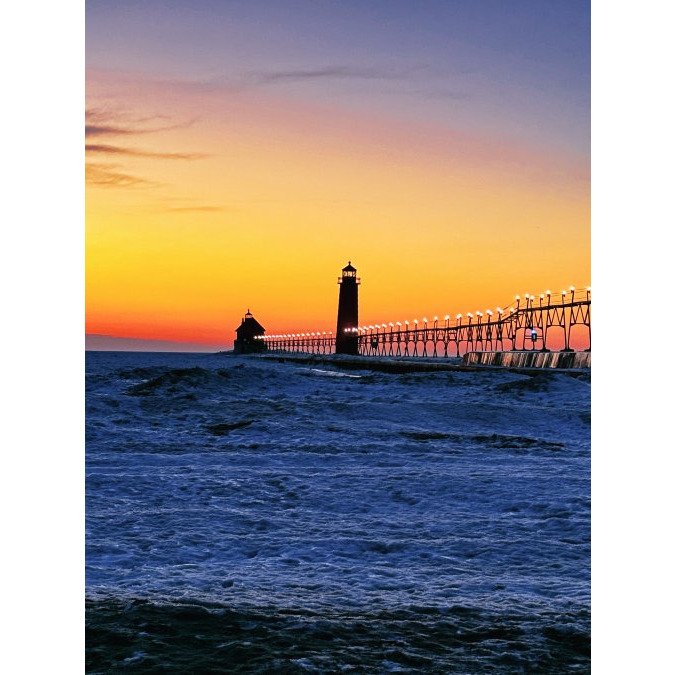
When you buy Michigan lake landscape photographic prints, you're bringing the quiet drama of the Great Lakes shoreline into your home, from dune grass catching autumn light to frozen piers in February, and this guide shows you how to buy Michigan lake landscape photographic prints without regret.
Here's what most buyers get wrong: they pick an image they love on a screen, then discover the crop, the color, or the size doesn't work in their room. A landscape print is a permanent decision. The lake doesn't change, but your wall will hold that image for years.
Michigan's shoreline rewards the camera in every season. Northern Michigan offers Sleeping Bear's dunes and the Leelanau Peninsula's orchards. The Upper Peninsula delivers Lake Superior drama and Pictured Rocks cliffs. Great Lakes scenery shifts from summer blue to October gold to winter white, so the season in a photograph matters as much as the location.
Below, we'll show you how to read a listing, pick a format, size it correctly, and protect your print after it arrives.
Michigan Landscape Photography Prints: What You're Actually Buying
A Michigan landscape photography print is a reproduction of an original nature photograph, produced on paper, canvas, or metal and shipped to you ready to frame or hang. What separates a fine art print from a drugstore poster is the capture quality, the printing method, and the paper or substrate.
Most online listings show you the image at screen brightness. Your wall is not a backlit monitor. That gap explains the most common complaint in print buying: colors that look duller or cooler in person. It's fair to ask how a seller handles color before you order.
Reading a Print Listing Before You Click Buy
Check these five things on any listing:
- Dimensions in inches, listed as image size versus paper size with mat border
- Substrate and finish, such as archival paper, canvas, or metal with glossy or matte surface
- Edition type, meaning open edition or limited edition with a stated run size
- Orientation, since a panoramic shoreline needs a wide wall
- Shipping and return terms, ideally with damage protection stated plainly
If a listing omits sizing or material details, that's a signal. Ask before you buy.
Choosing a Format: Canvas, Metal, or Paper
Canvas, metal, and paper prints each solve a different problem, and the right choice depends on the image, the room, and how long you expect the print to hold up.
Paper prints are a common option for landscape photography. A photographic or fine art paper holds fine texture, dune grass, rippled water, bare tree branches, better than canvas because the ink sits on a smooth surface rather than weaving into fabric.
Canvas prints are a common option, typically stretched over a wooden frame, and hang ready to go in many rooms. The woven texture softens fine detail, so a canvas works best for broad scenery, a wide shoreline, a field of autumn color, rather than a tight crop where crisp edges matter.
Metal prints are another common format. Metal panels are generally rigid and can handle humidity better than unframed paper. The catch is glare: a high-gloss metal finish can throw reflections from windows and lamps, so a matte or satin finish is often the better pick in a bright room.
Matting a print adds a border that gives a modest image breathing room and makes framing simpler, but the mat reduces the visible image area for a given frame size, plan for that when sizing.
| Format | Detail | Color and Glare | Durability and Care | Best For |
|---|---|---|---|---|
| Paper print | Sharpest | Clear glass reflects; anti-reflective glazing reduces glare | Needs framing; keep out of direct sun | Framed gallery walls, fine texture |
| Canvas | Softer | Warm, low-glare surface | Dust settles in weave; gentle brush cleaning | Ready-to-hang rooms, large sizes |
| Metal | Crisp | Vivid color; gloss reflects, matte reduces glare | Moisture-resistant, rigid panel | Kitchens, baths, humid rooms |
| Matted print | Sharp | Depends on glazing | Easy to frame; smaller image area | Gifting, simple framing |
A common mistake is ordering canvas because it feels easier, then missing the crisp detail of a shoreline photograph. If the image's appeal is texture, like dune grass or rippled water, paper or metal serves it better.
Michigan Lake Wall Art: Matching the Image to the Room
Michigan lake wall art works best when the image's color temperature matches the room's light. North-facing rooms run cool, so a blue-toned winter shoreline feels natural there. South-facing rooms bathe walls in warm light, where autumn color and golden-hour shots hold up.
Scale matters as much as color. A small print on a large blank wall reads as an accident. One oversized piece over a sofa or bed usually beats a cluster of small frames, and it's simpler to hang.
For home offices, choose calmer water and horizon lines. For a hallway, a vertical crop of trees or a pier pulls the eye forward.
Large Landscape Wall Art: Sizing It Right the First Time
Measure the wall before you shop, not after. For a piece above a sofa, aim for artwork spanning roughly two-thirds to three-quarters of the furniture's width. Above a bed, similar proportions keep the composition grounded.
Then check the ceiling. A print hung too high floats; the center of the image should sit near eye level for a standing viewer. Large landscape wall art also needs a wide enough viewing distance, so a panoramic shoreline reads as scenery rather than a stripe.
Tape the intended dimensions on the wall with painter's tape and live with the outline for a day. It sounds fussy. It prevents the most expensive mistake in print buying: a beautiful photograph in the wrong size.
Lake Michigan Framed Art and Display Options
Framing changes the image's mood more than most buyers expect. Thin black metal reads modern and lets cool blues dominate. Light wood warms a winter scene. A wide mat adds breathing room and makes a modest print look deliberate.
Display choices worth considering:
- Gallery walls mixing shoreline, forest, and dune images from the same region
- Seasonal rotation, swapping a summer beach print for an autumn one
Ask whether a frame includes UV-filtering glazing. It's the difference between a print that holds its color and one that fades along a sunny wall.
Shipping, Returns, and Keeping Prints Looking New
How a seller packs prints tells you a lot about how seriously they take the product. Paper prints are generally best shipped flat in a rigid mailer with corner protection, because a bent corner ruins a paper print in a way it does not ruin a metal panel. If a listing does not state the packaging, ask, it is a fair question and the answer is a useful signal.
What to confirm before you order:
- Production and delivery timing. Ask for the current production window plus transit time rather than assuming a stock item's speed.
- Return window and condition rules. Read the return policy before you click buy, not after.
- Damage policy. Ask plainly what happens if a print arrives damaged, and keep the box and packing materials until you have inspected the print.
Inspecting on arrival. Open the package on a clean surface and check the corners and edges first, then look across the surface at an angle in daylight to catch scratches, dents, or print defects that are invisible straight on. If something is wrong, photograph the damage and the packaging before you discard anything.
Care once it is up. Keep prints out of direct sun, dust with a dry microfiber cloth, and avoid spraying cleaner directly on the surface. Canvas collects dust in its texture, so a gentle brush helps. Humidity is the quiet enemy, especially in bathrooms: hanging a paper print in a steamy room without sealed framing invites waviness and mold behind the glass, while metal handles that room far better. If a framed print includes UV-filtering glazing, that is the difference between a print that holds its color and one that fades along a sunny wall.
A seller who states packaging, timing, return terms, and a damage policy up front is usually a seller who has shipped enough prints to know where they fail. When those details are missing, ask before you buy, the answer tells you as much as the print itself.
Ordering Your Michigan Lake Print from Brian Farber Photography
Brian Farber Photography sells photographic prints and digital images from Michigan, plus Japan, Alaska, Colorado, and Disney collections. Visit the website to see the available images.
Before ordering, decide three things: the wall, the format, and the size. Then check the website for current pricing and shipping details, which depend on format and dimensions.
Frequently Asked Questions
How do I choose a landscape photo print for my living room?
Start with the wall, not the image. Measure the width of the furniture below it and aim for art that covers roughly two-thirds to three-quarters of that width. Then pick a scene whose color palette matches the room: cool blues and grays for calm spaces, warm autumn tones for rooms with wood furniture. Order a small test print first if you are unsure about color, and check the listing for the paper or material type before you buy.
What size landscape print works best above a sofa?
For a standard 84-inch sofa, a single horizontal print in the 30x40 inch to 40x60 inch range usually fills the space without crowding it. Leave at least 6 to 10 inches of bare wall between the top of the sofa and the bottom of the frame. If your ceiling is low, go wider rather than taller. A gallery wall of three smaller Michigan lake prints also works when a single large piece feels overwhelming.
How should I choose between a framed and unframed photo print?
Framed art arrives ready to hang and protects the print behind glass or acrylic, which matters in bright rooms. Unframed prints cost less and let you match a frame to your existing decor, but you pay for framing separately and risk damaging the print during handling. For a first purchase or a gift, framed is the safer route. For a gallery wall you plan to build over time, unframed gives you more control over consistency.
How do I care for photographic prints displayed in a sunny room?
Keep prints out of direct sunlight, which fades dyes and yellows paper over time. Hang them on a wall that receives indirect or diffused light, or use UV-filtering glass if the spot gets strong afternoon sun. Dust with a dry microfiber cloth rather than a wet one, and never spray cleaner directly on the surface. Avoid hanging paper prints in bathrooms or above heat sources, where humidity and temperature swings cause warping.
Choosing wall art online comes down to trusting what you can't see in person: the print quality, the color, and the packing. Brian Farber Photography addresses that with direct-from-photographer prints across paper, canvas, and metal formats, a Michigan collection built around Great Lakes shoreline and seasonal scenery, and a catalog that extends to Japan, Alaska, Colorado, and Disney imagery for collectors. Get started with Brian Farber Photography and put a Great Lakes horizon on your wall.
