Buying Photography Prints Online Safely in 2026
Editorial Team · October 7, 2026
Table of Contents
- Why Buying Photography Prints Online Is Booming in 2026
- How to Verify Photography Print Authenticity Before You Buy
- What a Photography Print Certificate of Authenticity Should Include
- Archival Photography Print Quality: Paper, Ink, and Longevity
- Photography Print Sizes and Resolution: Matching the File to the Wall
- Buyer Protection, Returns, and Shipping Risk
- Your Pre-Purchase Checklist for Buying Photography Prints Online Safely in 2026
- Conclusion: Buy With Confidence, Not Hope
- Frequently Asked Questions
Last Updated: October 5, 2026
Why Buying Photography Prints Online Is Booming in 2026
The global photo printing market will reach an estimated $27.76 billion in 2026 and grow at a 4.33% compound annual rate to $34.34 billion by 2031, according to Mordor Intelligence's photo printing market analysis. Individual buyers like you drive a large share of that demand: Future Market Insights reports that individual consumers account for 47.9% of end-user demand this year.
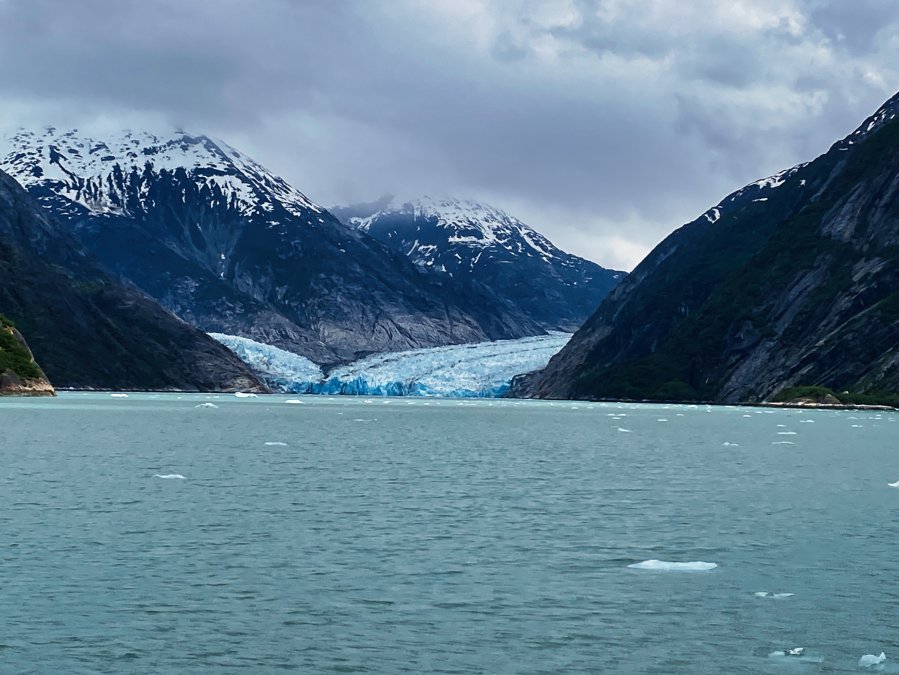
That growth cuts both ways: more choice, more ways to get burned. Brian Farber Photography sells landscape and theme-park prints from Japan, Alaska, Colorado, and Michigan, and first-time buyers keep asking the same thing, how do you order a photography print online without risking your money, your data, or a damaged print?
Below, we walk through seller verification, authenticity documents, archival quality, sizing, and buyer protection, plus a checklist you can run before you click buy.
How to Verify Photography Print Authenticity Before You Buy
Authenticity verification means confirming three things before payment: who made the print, how it was produced, and what documentation ships with it. Skip it and you have no recourse if the print turns out to be a cheap reproduction.
Run a Five-Minute Seller Verification Workflow
Start with the seller, not the photo. A legitimate photography print seller publishes a real name, a business address, a working contact method, and a traceable body of work. Run these checks in order:
- Trace the body of work. Search the artist's name plus "photography" on at least two platforms. A real photographer has a consistent portfolio, posting history, and recognizable style across sites. One gallery and no history means a reseller at best.
- Reverse image search the exact file. If the same file appears on five different "artist" storefronts, none is the original creator. This is the fastest scam filter available.
- Confirm a real business identity. Look for a business name, physical address, and phone number or direct email, a web form alone is not a contact method. In the United States, cross-check the name against your state's secretary of state registry.
- Read reviews for pattern, not sentiment. Sort by newest first. A cluster of five-star reviews in the same two-week window followed by months of silence is manufactured. Look for mentions of shipping damage, refund handling, and whether the print matched the listing.
- Check domain age and site quality. A storefront registered weeks ago, with stock-photo watermarks and no about page, is higher risk than an established seller with a documented history.
Red Flags That Should End the Transaction
- Stock-photo watermarks visible anywhere in the gallery images
- No physical address or phone number, only a web form
- Prices far below what archival printing and shipping can plausibly cost
Verify the Edition and the File, Not Just the Seller
Even an honest seller can misrepresent an edition. Ask directly: open or limited edition, and if limited, the total edition size and your number? A limited edition without a stated size is a marketing term, not an edition.
Finally, confirm the file. Ask for the pixel dimensions of the master file used for your chosen print size. A seller who cannot state the resolution behind the print is either reselling someone else's output or working from a file too small for the size you ordered.
Safe Payment and Personal-Data Practices
Pay with a credit card or a payment platform that includes dispute resolution. Both give you a documented path to recover funds if the print never arrives or arrives damaged.
Check the checkout page for HTTPS encryption before entering personal information. Buyers ordering photography prints online safely should also read the privacy policy: a seller who shares your address and email with unnamed "partners" is a data risk.
What a Photography Print Certificate of Authenticity Should Include
A photography print certificate of authenticity is a signed document identifying the artwork, edition, and production details, proof of origin if you resell or insure the piece.
A complete certificate includes:
- Artist name and signature
- Title of the work and year created
- Edition size and the specific edition number of your print (for example, "12 of 50")
Open-edition prints may ship with a simpler signed card rather than a numbered certificate, which is normal. What matters is that the documentation matches what you ordered: if a listing promises a "limited edition" but the certificate has no edition number, the claim does not hold up.
Archival Photography Print Quality: Paper, Ink, and Longevity
Archival photography print quality comes down to two components: pigment-based inks and acid-free paper. Pigment inks resist fading far longer than dye-based inks, and acid-free papers avoid the yellowing that degrades cheap photo stock.
Ask any seller three questions before ordering:
- Are the inks pigment-based or dye-based?
- Is the paper acid-free and what is its weight?
- Is there a stated display-life rating under glass?
What most guides miss: a beautiful file printed on the wrong paper looks flat within a year, and judging quality from a screen image alone is a common mistake.
Photography Print Sizes and Resolution: Matching the File to the Wall
Print size and resolution must match: a file needs roughly 300 pixels per inch at the final print dimensions, so a 24x36 inch print requires a file around 7200x10800 pixels to stay sharp.
Here is how common sizes map to typical wall placements:
| Print Size | Best Placement | Minimum File Resolution |
|---|---|---|
| 8x10 in | Desk, gallery wall cluster | 2400 x 3000 px |
| 16x20 in | Hallway, small office | 4800 x 6000 px |
| 24x36 in | Living room anchor piece | 7200 x 10800 px |
| 40x60 in | Large open wall, statement art | 12000 x 18000 px |
Measure your wall before you browse. A print that looks modest on a product page can dominate a narrow hallway, and one that seems large online can vanish above a sofa.
Buyer Protection, Returns, and Shipping Risk
Buyer protection is the set of policies and platform rules that determine what happens when an order goes wrong. Before you pay, find three things: the return window, who pays return shipping, and how the seller handles prints damaged in transit. The mechanics below determine whether you actually get made whole.
Know Your Return Window Before You Buy
Return windows on photography prints typically run 14 to 30 days from delivery, but the clock usually starts on the delivery scan, not the day you open the tube. Two exceptions matter:
- Made-to-order and custom-size prints are frequently excluded from returns entirely. If a seller's policy excludes "custom" or "made-to-order" items, a damaged print may leave you with no refund path unless the damage policy covers it separately.
- Open-edition prints are more likely to be returnable than limited editions, because the seller can resell the stock. Limited editions are often final sale.
Get the damage-replacement terms in writing before checkout, not after the tube arrives crushed. A seller who will not put the damage policy in an email is telling you something.
The Three Dispute Paths, in Order of Escalation
When an order goes wrong, you have three escalating options. Use them in order.
- Seller resolution. Contact the seller in writing within the return window and document everything: photos of the damaged print, packaging, shipping label, and the listing as it appeared when you bought it. Screenshot the listing before you order, sellers edit listings after complaints.
- Platform or payment-processor dispute. If you paid through a marketplace or a payment platform, open a dispute there. Most platforms have a defined window for opening a case, often shorter than the credit card chargeback window, so do not wait.
- Credit card chargeback. Under the Fair Credit Billing Act, you generally have 60 days from the statement date on which the charge appeared to dispute a billing error with your card issuer. A chargeback is your strongest lever but requires evidence: order confirmation, listing screenshots, written attempts to resolve with the seller, and photos of what arrived. Issuers expect you to have contacted the seller first.
Shipping Risk and Protective Packaging
Shipping is where most print orders fail. Large prints ship rolled in tubes or flat in rigid packaging, and both fail if the seller cuts corners. Confirm the following in writing:
- Tracking number provided at dispatch
- Insurance on orders above a threshold you set
- Replacement policy for damage in transit, with photo documentation required
Rolled prints in tubes are cheaper to ship but arrive with curl memory that takes days to relax under weight, and are more prone to edge damage if the tube is crushed. Flat shipping in rigid packaging protects the surface better but costs more and may be refused by carriers above certain dimensions. Ask which method the seller uses for your size before you order.
If the Print Never Arrives
A missing package is a different problem from a damaged one. Check tracking first. If it shows delivered but nothing arrived, file a carrier claim and ask the seller to do the same, carriers often require the shipper, not the recipient, to initiate. If tracking never updates past "label created," the seller likely never shipped; move directly to a platform dispute or chargeback rather than waiting out a promised replacement.
Your Pre-Purchase Checklist for Buying Photography Prints Online Safely in 2026
Run this checklist before every order. It takes about ten minutes and prevents nearly every common failure.
- Reverse image search the photo to confirm the seller is the original creator
- Verify a real business name, address, and contact method
- Confirm pigment inks and acid-free paper in writing
Conclusion: Buy With Confidence, Not Hope
The difference between a print you love for twenty years and one you regret comes down to ten minutes of verification before checkout. Check the seller, confirm the paper and ink, match the resolution to your wall, and pay through a channel that protects you.
At Brian Farber Photography, every print is made from our own original landscape and theme-park photography, sold directly by the person who shot it.
Frequently Asked Questions
How can I tell if an online photography print is authentic?
Ask the seller for a certificate of authenticity that lists the photographer's name, the title of the image, the edition size, and the edition number of your specific print. A signed print with matching documentation is the strongest signal. Check that the seller's website clearly identifies the photographer and provides contact information. If a listing shows no edition details, no signature option, and no way to reach the seller directly, treat it as a red flag and look elsewhere.
What should I check before buying photography prints online?
Confirm the print size in inches against your wall space, verify the resolution supports that size without pixelation, and read the return policy before checkout. Check the paper type and finish, ask whether the print is archival, and confirm the shipping method includes protective packaging.
How do I know what size photography print to buy?
Measure the wall space first, then follow the rule that a print should take up roughly 60 to 75 percent of the available wall width above a piece of furniture. For a standard sofa, an 8x10 inch print will look lost, while a 24x36 inch print anchors the space. Check that the file resolution supports the size: a print needs roughly 300 pixels per inch for sharp results, so a 24x36 inch print requires a file of at least 7200 x 10800 pixels.
What should I look for in an online print seller's return and shipping policies?
Look for a written return window of at least 14 days, a clear process for reporting damage in transit, and a refund or replacement guarantee. Check whether the seller ships with tracking and uses rigid protective packaging, since damage during shipping is the most common complaint. If the policy page is vague or missing, email the seller before ordering. A seller who answers clearly and promptly is a seller who will handle problems after the sale.