Japanese Landscape Photography for Home Decor
Editorial Team · October 19, 2026
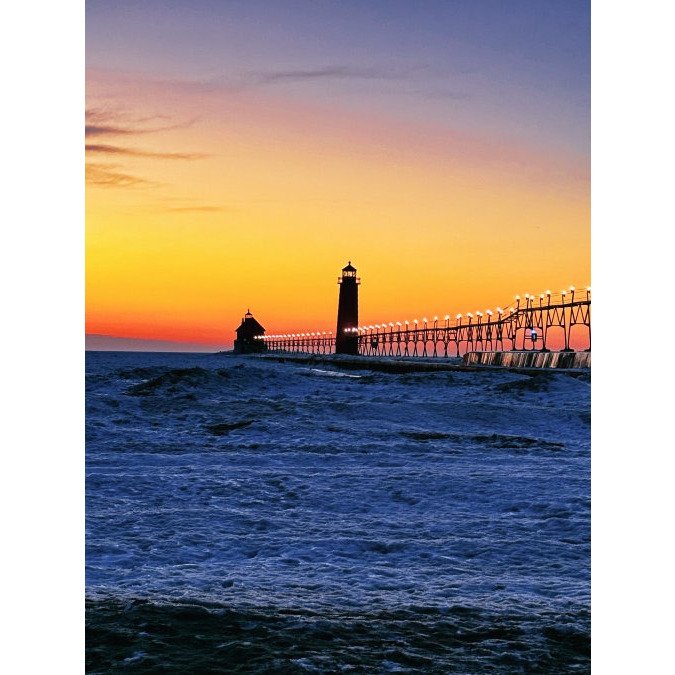
Table of Contents
- Why Japanese Landscape Photography Works in American Homes
- Choosing Japanese Landscape Photography for Your Space
- Large Landscape Prints for Home: Sizing a Statement Wall
- How to Frame Landscape Photography Without Losing the Image
- How to Arrange Wall Art Around a Single Focal Print
- Protecting Photographic Prints from Fading
- Where to Buy Japanese Landscape Photography Prints
- Conclusion
- Frequently Asked Questions
Last Updated: October 19, 2026
Why Japanese Landscape Photography Works in American Homes
Japanese landscape photography for home decor has moved from niche collector interest to a mainstream design choice, and the reason is spatial. Walk into a room anchored by a single quiet image of a moss garden or a misted mountain ridge, and the walls seem to recede. The room feels larger, calmer, and less cluttered than it did before.
At Brian Farber Photography, we photograph scenes across Japan, Alaska, Colorado, and Michigan with exactly that effect in mind. A print is not wallpaper. It is a window, and the right window changes how a room breathes.
Most American homes fight their own architecture. Open floor plans, tall ceilings, and large blank walls leave decor with nowhere to rest. A single Japanese landscape print gives the eye one place to land.
What the Eye-Tracking Research Shows About Garden Views
Researchers publishing in the Journal of Asian Architecture and Building Engineering used eye-tracking technology to study how people read sequential views in a Japanese stroll garden, specifically Saihō-ji, and found that the design deliberately controls where the viewer looks next. The study, covered by Taylor & Francis research on spatial visual characteristics in Japanese stroll gardens, confirms what designers have long suspected: composition guides attention.
That matters for your wall. A photograph built on the same principles, layered foreground, a focal point, and breathing room around it, holds attention longer than a busy snapshot. The image does the work a well-planned garden does.
Choosing Japanese Landscape Photography for Your Space
Choosing a print starts with the room, not the photograph. The right image for a bright, busy living room is rarely the right image for a dim home office. Match the mood first, then the palette, then the size.
Ask three questions before you buy:
- What is the room's dominant color, and does the print share one tone with it?
- Is the space active or quiet? Active rooms suit bolder contrast; quiet rooms suit soft mist and muted greens.
- Where will light hit the print during the day?
Matching Prints to Room and Mood
Living rooms with warm wood tones respond well to autumn maples and stone paths. Bedrooms and home offices do better with fog, water, and single trees. A dining room can carry a bolder vertical composition; a hallway wants repetition and rhythm.
Japanese landscape photography is the practice of photographing natural and designed scenes from Japan, including gardens, mountains, coastlines, and seasonal foliage, with an emphasis on composition and atmosphere over documentation. That emphasis is what makes it so adaptable to interiors: it is quiet by design.
Large Landscape Prints for Home: Sizing a Statement Wall
Large landscape prints for home work best when the image occupies roughly two-thirds to three-quarters of the width of the furniture below it. A sofa that is 84 inches wide pairs well with a print around 56 to 63 inches wide. Undersizing a statement wall is the most frequent regret.
| Wall or Furniture | Suggested Print Width | Typical Use |
|---|---|---|
| Above a sofa (84 in) | 56-63 in | Living room focal point |
| Above a queen bed | 40-50 in | Bedroom calm anchor |
| Narrow hallway wall | 20-30 in | Rhythm and repetition |
| Home office desk wall | 24-36 in | Single focal print |
| Dining room side wall | 30-40 in | Vertical composition |
Measure the wall, then tape the outline on it for a day before ordering. The tape test catches sizing errors that no product page can.
How to Frame Landscape Photography Without Losing the Image
How to frame landscape photography comes down to one rule: the frame should disappear. Thin, dark, or natural wood frames let the image lead. Heavy ornate frames compete with a scene that is already doing a lot of visual work.
Choose a mat with a border at least two inches wide on all sides. A mat separates the photograph from the frame and keeps the eye inside the image. Non-glare glass or acrylic reduces reflections in bright rooms, which matters more than most buyers expect.
Avoid glossy finishes on prints that will hang opposite a window. Matte and luster surfaces handle reflections far better in real rooms.
How to Arrange Wall Art Around a Single Focal Print
How to arrange wall art around a focal print is simpler than most people make it. Hang the primary print at eye level, centered on the furniture below it, then let everything else support it rather than compete.
A workable arrangement:
- Center the focal print on the sofa or console
- Keep the bottom edge 6 to 10 inches above the furniture
- Add smaller pieces no closer than 3 inches from the main frame
- Repeat one color from the focal print in the surrounding pieces
Fewer pieces, spaced generously, always read as more intentional than a crowded wall.
Protecting Photographic Prints from Fading
Protecting photographic prints from fading depends on three things: UV-filtering glazing, placement away from direct sun, and archival materials. Ultraviolet light is the main cause of fading, and it reaches prints even in rooms that never feel sunny.
Use frames with UV-filtering glass or acrylic, and keep prints off walls that receive direct afternoon sun. Acid-free mats and backing boards prevent yellowing over time. The Library of Congress guidance on care and handling of photographs recommends stable temperature and humidity and limited light exposure for long-term preservation.
Where to Buy Japanese Landscape Photography Prints
Where to buy Japanese landscape photography prints matters more than most buyers expect, because the difference between a fine art print and a poster shows up in a few years. Buy from the photographer directly when you can. You get control over paper, size, and finish, and you can ask questions before you order.
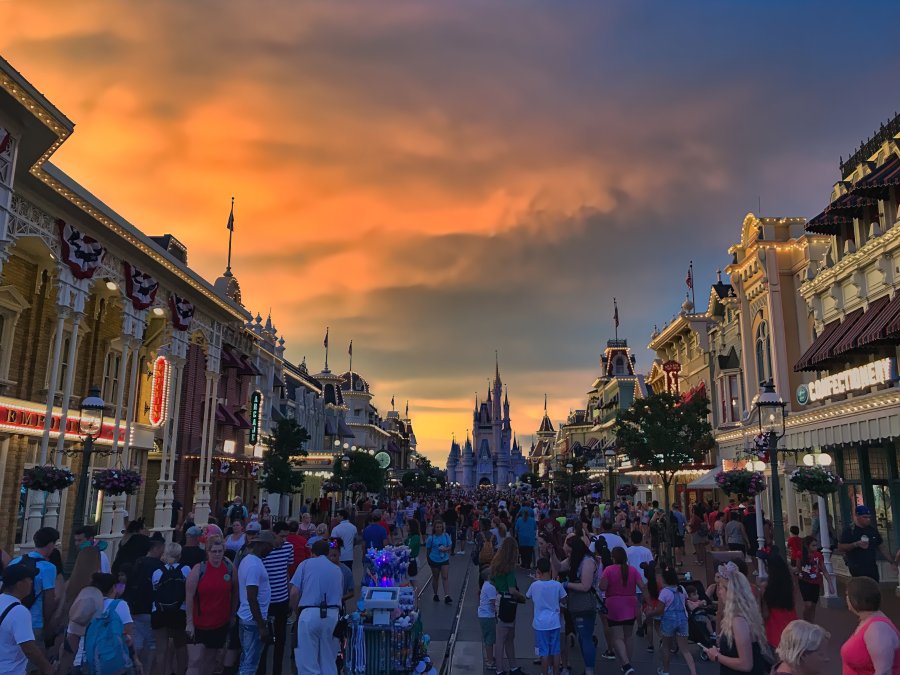
Brian Farber Photography offers prints and digital files from Japan, Alaska, Colorado, and Michigan, along with Disney photography for collectors. Ordering direct means you can ask about paper type, sizing, and how a specific image will look at the size you need before you commit.
Ask any seller these questions:
- What paper and ink are used, and is the process archival?
- Is UV-filtering glazing available with the frame?
- Can you see a proof or a scaled mockup on your own wall?
A seller who answers all three clearly is a seller worth buying from.
Conclusion
The hardest part of decorating with landscape photography is not finding a beautiful image. It is trusting that one quiet print can carry a whole wall. It can, and it usually does the job better than a cluster of smaller pieces ever will.
Brian Farber Photography sells archival prints and digital files of Japan, Alaska, Colorado, Michigan, and Disney scenes, sized and finished to fit real rooms. Browse the collection, pick the image that matches your space, and let one print do the work.
Frequently Asked Questions
How do I choose Japanese landscape photography for my home?
Start with the room's function. A bedroom or home office benefits from calm, misty forest or water scenes, while a living room can carry a bolder torii gate or mountain view. Measure the wall first, then pick an aspect ratio that fits without crowding nearby furniture. Order a small proof print before committing to a large size so you can check color against your actual wall and lighting.
What size landscape print should I choose for a wall?
For a sofa or console wall, aim for a print that spans about two-thirds of the furniture width. A single large landscape print for home display often works best at 24 by 36 inches or larger on a main wall, while a hallway or office nook suits 11 by 14 or 16 by 20 inches. Tape a paper template at the planned size for a day to judge scale before you buy.
How should I frame landscape photography for home decor?
Use a thin black, walnut, or natural wood frame that lets the image lead. Add a white or off-white mat, at least 2 inches wide, so the print breathes inside the frame. Choose museum glass or acrylic with UV filtering, and make sure the print does not touch the glass. Hang the center of the image at eye level, roughly 57 to 60 inches from the floor.
How can I protect photographic prints from fading?
Keep prints out of direct sun and away from heat sources. Use UV-filtering glass or acrylic and archival, acid-free mats and backing. Avoid hanging in bathrooms or kitchens where humidity swings. If a wall gets strong afternoon light, rotate the piece seasonally or add a sheer curtain. These steps slow fading and keep colors accurate for years.
Start with the wall you look at most, choose a single print that fits its scale and mood, and order from a photographer who will answer your questions about paper, framing, and finish. Brian Farber Photography offers prints and digital files from Japan, Alaska, Colorado, and Michigan, plus Disney photography for collectors. Get started with Brian Farber Photography and give your wall one image worth looking at every day.