Large Format Landscape Prints for Home: 2026 Guide
Editorial Team · October 5, 2026
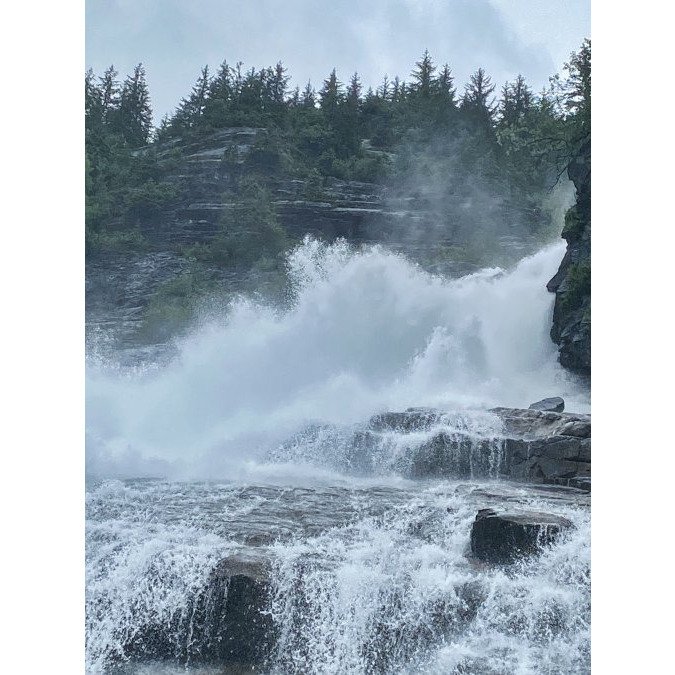
Table of Contents
- Why Large Format Landscape Prints for Home Change a Room
- Landscape Print Sizes: Matching Dimensions to Your Wall
- Choosing Your Large Landscape Wall Art: Subject, Color, and Room
- Materials and Finishes: Canvas, Paper, and Framing Options
- How to Hang Large Wall Art Without Damaging Walls or Art
- National Parks Landscape Prints and Travel Series to Collect
- Caring for Your Prints So They Last Decades
- Conclusion: Start Your Collection with Confidence
- Frequently Asked Questions
Last Updated: October 5, 2026
Why Large Format Landscape Prints for Home Change a Room
One oversized print does more for a room than a gallery wall of small frames. At Brian Farber Photography, we sell photographic prints of Japan, Alaska, Colorado, Michigan, and Disney parks, sized for real walls.
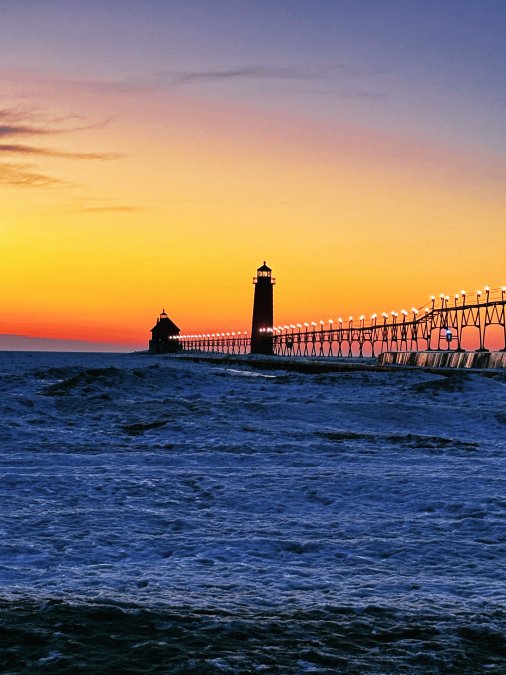
Scale separates a print that looks intentional from one that looks like a poster. A 24 x 36 inch print on a 9-foot wall reads as a stamp; the same image at 40 x 60 inches anchors the room.
Below: sizing, subject choice, materials, hanging, and care.
Landscape Print Sizes: Matching Dimensions to Your Wall
The right landscape print size comes down to one ratio: your print should take up roughly 60 to 75 percent of the wall width it hangs on. Measure the wall, not the sofa.
Standard Sizes and Where They Work Best
| Print Size | Best Wall | Feels Right In |
|---|---|---|
| 16 x 24 in | Narrow wall, 4-6 ft wide | Hallways, bathrooms, beside a door |
| 24 x 36 in | Medium wall, 6-8 ft wide | Home offices, bedrooms, dining nooks |
| 30 x 40 in | Large wall, 8-10 ft wide | Living rooms, above a sofa or console |
| 40 x 60 in | Statement wall, 10 ft+ | Open-plan living rooms, stairwells, lobbies |
Metric equivalents: 24 x 36 inches is about 60 x 90 centimeters; 30 x 40 inches is roughly 75 x 100 centimeters.
Measuring Before You Buy
- Measure the wall's clear width, edge to edge, at hanging height
- Multiply by 0.6 and 0.75 to get your target print width range
- Check the gap above furniture: leave 6 to 10 inches between the sofa back and the frame's bottom edge
Choosing Your Large Landscape Wall Art: Subject, Color, and Room
Match the subject to the room's job. Calm, cool scenes settle a space; warm, high-contrast scenes energize it.
For a home office, soft mist, water, or snow, Alaska and Michigan scenes, holds up to daily viewing.
Color matching is simpler than it sounds.
Think about light, too: a print hung opposite a bright window reads washed out for most of the day, no matter how good the file is.
Materials and Finishes: Canvas, Paper, and Framing Options
Canvas and paper are not rivals; they solve different problems. The right choice depends on the wall, the light, the size, and how long you expect the print to last.
The Four Print Substrates You Will See
| Substrate | Surface | Best For | Trade-Off |
|---|---|---|---|
| Poly-cotton canvas | Woven texture, matte | Large sizes, bright rooms, no-glass installs | Softens fine detail; texture can compete with intricate scenes |
| Cotton rag paper | Smooth to slight tooth, matte | Fine art reproductions, muted palettes | Requires framing and glazing; more expensive per square foot |
| Resin-coated (RC) photo paper | Smooth, slight sheen | High-contrast images, deep blacks | Can show glare under direct light; less archival than rag |
| Fine art baryta paper | Smooth, fiber base | Maximum detail and tonal range | Most expensive; needs careful handling to avoid surface marks |
Giclée prints are the standard for fine art reproduction: an inkjet process using pigment inks, which resist fading far better than dye-based printing. Archival means pigment ink on acid-free media. A common benchmark: pigment inks under UV-filtering glazing and out of direct sun hold color for decades, while dye-based prints on cheap paper can shift within a few years.
Finishes: What Goes On Top of the Ink
- Matte laminate: a thin protective film bonded to the print surface. Blocks fingerprints and light scuffs, slightly mutes contrast. Common on canvas.
- Satin or gloss laminate: more punch and depth, but shows reflections and fingerprints more readily.
- UV coating: a sprayed or rolled clear layer that adds fade resistance. Not a substitute for keeping the print out of direct sun.
Framing and Glazing, Ranked by How They Treat the Artwork
- Unframed canvas, gallery-wrapped: the image continues around the stretcher bar. No frame, no glass, lowest weight. Best for large sizes where a frame would add bulk.
- Framed canvas: adds a floating or traditional frame. Good for rooms with existing wood or metal trim. The frame can be swapped later without reprinting.
- Paper print, framed and matted: the classic look. The mat keeps the artwork off the glass, which protects the surface and gives the eye breathing room.
Glazing matters as much as the frame. Standard glass is cheapest and offers no UV protection. UV-filtering glass or acrylic blocks most ultraviolet light and is the best upgrade for a paper print in a bright room. Museum glass adds anti-reflective coating on top of UV filtering, killing the mirror effect in rooms with windows opposite the wall. Acrylic is lighter and shatter-resistant, which matters for large sizes and homes with kids or pets.
A Quick Decision Path
- Wall gets direct or strong indirect sun? Choose canvas with UV coating, or paper behind UV-filtering glazing.
- Print is larger than 30 x 40 inches? Canvas saves weight and avoids the cost of oversized glazing.
- Image has fine detail, forest canopy, rock faces, city skylines? Paper holds it better than canvas.
- Room is bright and reflective? Matte surfaces and museum glass beat gloss.
- Renting or likely to move? Canvas travels better than glazed paper.
How to Hang Large Wall Art Without Damaging Walls or Art
Two hooks is a mistake. Large prints need two anchor points minimum, and anything over 30 x 40 inches should use a French cleat or wall-mounted rail rated well above the print's weight.
Work in this order:
- Hold the print against the wall and mark the top edge lightly in pencil
- Measure down to the hanging hardware on the back of the frame
- Mark both hook positions with a level, not by eye
- Drill pilot holes, then install anchors rated for at least twice the print's weight
- Hang, step back ten feet, and check the level again from across the room
For renters, adhesive strips rated for the print's weight work on smooth, painted walls but fail on textured walls, brick, and peeling paint. Test one in a hidden spot first.
National Parks Landscape Prints and Travel Series to Collect
Collecting works best when it follows a thread rather than a color scheme.
Travel series work the same way.
For Disney collectors, character and park photography sits outside the landscape series, so give it its own wall or room.
A practical rule: buy the piece you would still want in five years, not the one that matches this season's paint.
Caring for Your Prints So They Last Decades
Light is the enemy, not time. Ultraviolet exposure fades pigment inks and yellows paper, slowly enough that most people never connect the two. Understanding the mechanism separates a print that looks new in twenty years from one that looks tired in five.
What Actually Causes Damage
- UV radiation: breaks chemical bonds in pigment and dye molecules, causing color shift. Blue and yellow fade first, which is why faded prints look pink or green.
- Visible light: lower energy than UV but still contributes to fading over long exposure.
- Heat: accelerates every chemical reaction, including fading. A print above a radiator or fireplace degrades faster.
Fade Timelines You Can Expect
Common patterns, not guarantees, actual life depends on light, glazing, and ink type:
- Pigment ink on acid-free paper, UV-filtering glazing, indirect light: decades of stable color.
- Pigment ink on canvas, UV coating, indirect light: similar, though canvas texture can trap dust.
- Dye-based ink on RC paper, no UV glazing, bright room: noticeable shift within a few years.
Cleaning by Material
- Canvas: dust with a dry, soft brush or microfiber cloth. Never use a damp cloth, moisture can wick into the weave and stain. For stubborn marks, a barely damp cloth on the surface only, then dry immediately.
- Paper behind glass: spray glass cleaner onto the cloth, never onto the glass or the print. Wipe the glass only; moisture behind the glazing can stain the mat and print.
- Acrylic glazing: use a plastic-safe cleaner or mild soap. Ammonia-based cleaners can cloud acrylic.
Placement Rules That Do the Most Work
- Keep prints out of direct sun. If you cannot, rotate pieces in bright rooms every year or two so no single print takes the full hit.
- Use UV-filtering glass or acrylic on paper prints, the highest-return upgrade you can make.
- Keep humidity steady. Avoid bathrooms, basements, and unventilated attics.
- Leave a small air gap behind framed prints on exterior walls to reduce condensation.
Environmental and Longevity Considerations
If longevity and lower environmental impact matter to you:
- Acid-free, lignin-free paper and mat board resist yellowing and are the baseline for archival framing.
- FSC-certified wood frames come from responsibly managed forests.
- Cotton or recycled-content canvas reduces reliance on virgin synthetic fibers.
- Pigment inks last longer than dye-based inks, meaning fewer reprints.
A waterproof finish and sun-resistant inks extend a canvas print's life, but they are not a license to hang it in full afternoon sun. Nothing beats placement.
The Library of Congress guidance on caring for prints and photographs is a genuinely useful reference here, and it covers paper, framing, and light exposure in plain terms.
Conclusion: Start Your Collection with Confidence
The hardest part of buying large format landscape prints for home is not the budget. It is committing to a size that feels too big on the screen and exactly right on the wall.
At Brian Farber Photography, we sell photographic prints and digital files of Japan, Alaska, Colorado, Michigan, and Disney parks, so you can build a collection around the places that mean something to you.
Frequently Asked Questions
What is the ideal size for a landscape print in a living room?
For a sofa wall, the print should span about two-thirds to three-quarters of the furniture width. A 30 × 40 inch or 24 × 36 inch print works well above a standard sofa, while 50 × 75 centimeters suits smaller spaces or gallery groupings. Measure your wall first, then compare those dimensions to the furniture below. If you are unsure, order a smaller size and build a grouping over time rather than committing to one oversized piece.
Should a large landscape print be framed or unframed?
Both work, but they suit different looks and budgets. Framed artwork adds a finished, gallery feel and protects the surface from dust and bumps, which matters in busy rooms. Unframed canvas prints and wrapped canvas pieces have a softer, more casual look and often cost less to ship. Laminated prints offer a middle ground with a protective finish. Think about your room's style and how much maintenance you want before deciding.
How do I hang a large landscape print securely?
Use two hooks or a French cleat rated for at least twice the print's weight, and drive them into studs whenever possible. For drywall without studs, use toggle bolts rather than plain nails. Mark the center point at eye level, usually 57 to 60 inches from the floor, then measure outward from that center for multiple hooks. A level and a pencil line keep everything straight. For very heavy pieces, a professional installer is worth the cost.
Will large format landscape prints fade over time?
Fade resistance depends on the ink, paper, and where you hang the piece. Giclée prints on archival paper or canvas, kept out of direct sunlight, typically hold their color for decades. Sun-resistant and waterproof finishes add protection, especially in bright rooms or humid spaces. Avoid hanging prints opposite a window with strong afternoon light, and consider UV-filtering glass if the wall gets direct sun. Proper care makes a real difference in how long the colors stay true.