Why I shoot at golden hour's tail
February 4, 2026
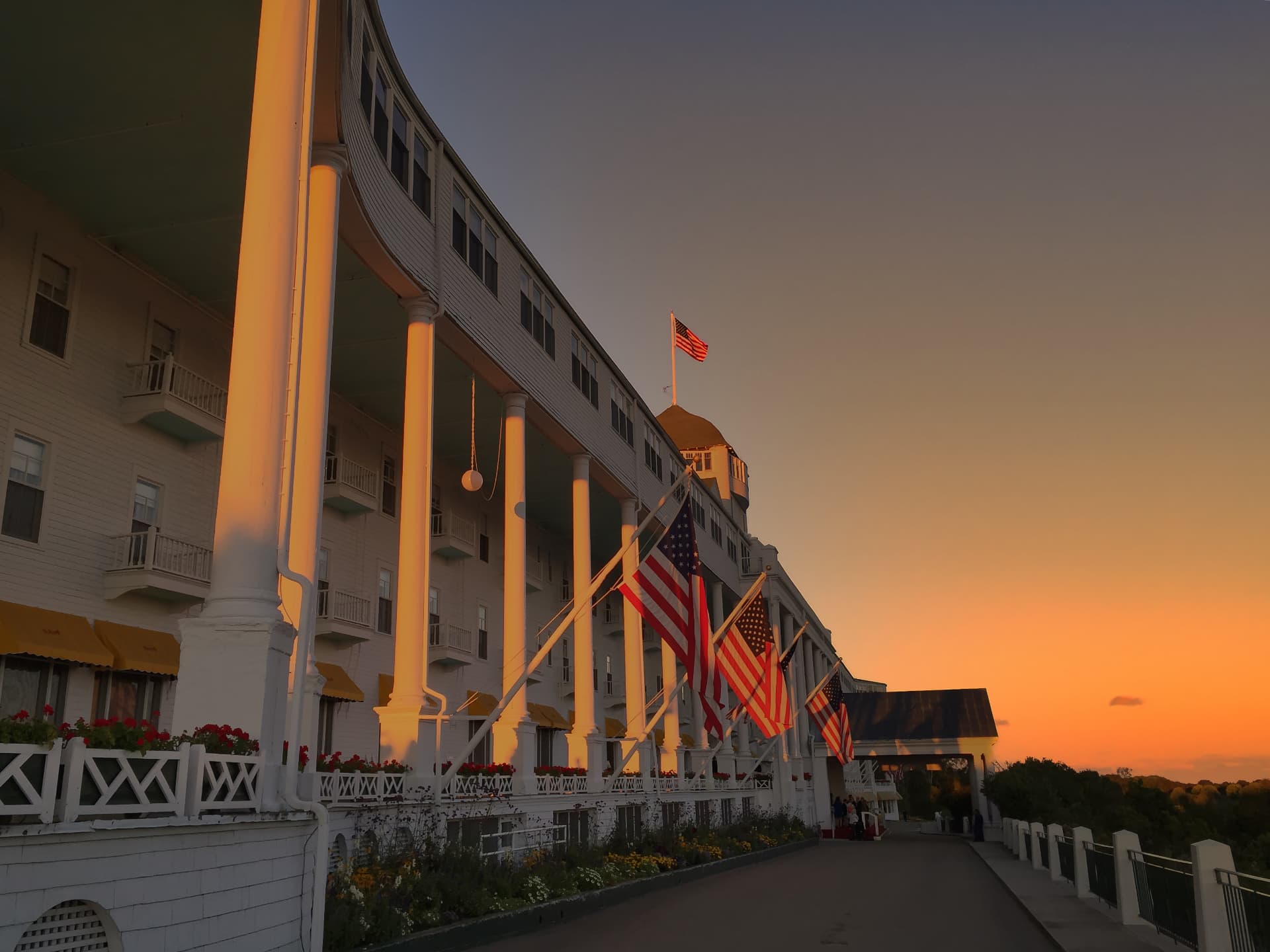
Everyone knows golden hour. Fewer people stay for its tail — the stretch after the sun drops when the warm light drains out of the sky and something quieter moves in. The crowds leave, the beach empties, and the landscape finally stops performing.
Technically, the tail is a long-exposure game. By the time the sun is a hand's width below the horizon, you're shooting at fractions of light that force shutter speeds measured in seconds. Water smooths into glass, clouds smear into brushstrokes, and anything that moves becomes a ghost or disappears entirely.
The setup is simpler than people expect: a sturdy tripod, a two-second timer or remote, and the patience to bracket ruthlessly. I shoot everything three stops apart because the dynamic range at dusk is a liar, and the frame that looks perfect on the back of the camera is almost never the one that survives the edit.
What I love about the tail is what it does to color. The saturation drops, the palette narrows to blues and a single band of fading warmth, and suddenly the photograph is about tone instead of spectacle. It's the difference between a picture of a sunset and a picture of a place.
If you've only ever shot golden hour at its peak, do yourself a favor: next time, stay twenty minutes past the point where it feels over. The best frame of the evening is usually waiting on the other side of the moment everyone else calls a wrap.